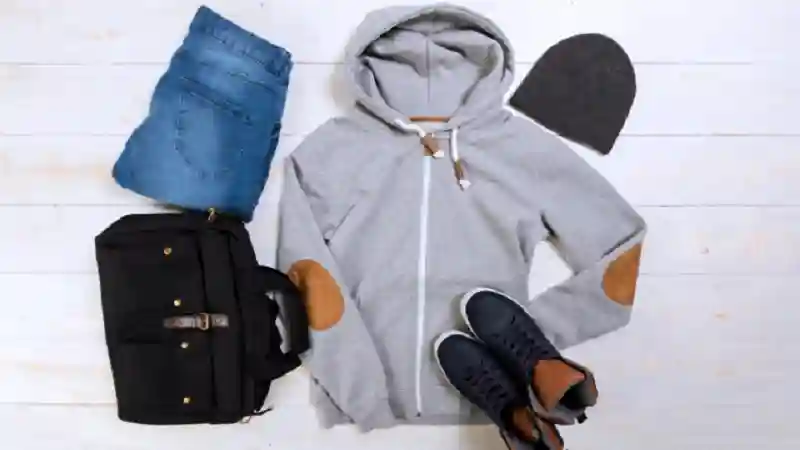
A functional men’s wardrobe begins with understanding the difference between ownership and utility. Many closets overflow with impulse purchases that rarely see daylight, while a smaller selection of well-chosen pieces can handle nearly every casual situation. The key lies not in quantity but in strategic selection: items that work independently yet combine effortlessly. Building this foundation requires examining which casualwear essentials actually earn their place through consistent wear, reliable performance, and genuine versatility across various social settings.
Building a Functional Men’s Wardrobe With Versatile Casualwear Essentials
While trends come and go, a well-curated collection of casualwear essentials forms the backbone of any practical men’s wardrobe. The foundation begins with versatile basics that work across multiple occasions and seasons.
Quality denim jeans in dark wash offer maximum styling flexibility, pairing seamlessly with both casual and smart-casual looks. Neutral-colored chinos provide a refined alternative for varied settings.
Essential tops include plain t-shirts in white, black, and gray, along with oxford button-downs and polo shirts. These pieces layer effectively and shift between settings. A well-fitted casual blazer elevates any outfit instantly.
Footwear anchors the wardrobe: white sneakers, leather boots, and loafers cover most casual scenarios. Outerwear essentials, a denim jacket, bomber, and weather-appropriate coat- complete the functional rotation. These timeless pieces create endless combinations while maintaining cohesion.
Why Neutral Colors and Timeless Fits Make Everyday Styling Easier
Neutral colors simplify wardrobe decisions by eliminating the complexity of color coordination. Black, white, gray, navy, and beige create a cohesive foundation that allows pieces to interchange seamlessly. Men can dress quickly without second-guessing combinations, as neutrals inherently complement each other.
Timeless fits transcend seasonal trends, maintaining relevance across years rather than months. Classic cuts in shirts, pants, and outerwear avoid the pitfalls of dated silhouettes that quickly appear obsolete. This longevity maximizes cost-per-wear and reduces the frequency of wardrobe replacements.
Together, neutral palettes and enduring fits create a practical system. Morning routines become efficient when any top pairs with any bottom. Investment pieces retain their utility and aesthetic appeal, delivering consistent value. This approach prioritizes function without sacrificing style, establishing a reliable framework for daily dressing.
Choosing Men’s Jeans and Pants That Balance Comfort, Durability, and Style
Because lower-body garments endure more friction and stress than most wardrobe items, selecting jeans and pants requires evaluating fabric composition and construction quality. Well-made men’s jeans and pants combine durable materials with practical tailoring that supports both everyday comfort and long-term wear. Denim weighing 12-14 ounces provides durability without excessive stiffness, while reinforced stitching at stress points prevents premature wear. Cotton-blend chinos incorporating elastane offer movement flexibility for active routines.
Fit directly impacts both appearance and longevity. Straight and slim cuts accommodate various body types while maintaining clean lines that shift between settings. Rise height affects comfort during sitting and bending, mid-rise options typically balance coverage with modern proportions.
Dark indigo denim and neutral chinos in navy, olive, and khaki create versatile foundations. Quality indicators include bar-tacked pocket corners, substantial belt loops, and colorfast dyes. Investing in well-constructed basics reduces replacement frequency and supports consistent daily styling.
How Heavyweight Hoodie Blanks Create Layered Looks for Every Season
Heavyweight hoodie blanks weighing 10-14 ounces per square yard serve as foundational layering pieces that function across temperature ranges. Their substantial fabric weight provides insulation during cold months while remaining breathable enough for spring and fall wear.
The neutral construction of blanks, typically offered in classic colors without graphics, enables versatile pairing with denim, chinos, and joggers. During winter, these hoodies layer beneath jackets and overcoats, adding warmth without bulk. Spring conditions allow them to function as standalone outerwear over t-shirts.
The durable cotton-polyester blends withstand frequent washing while maintaining shape and structure. Strategic hood placement and kangaroo pockets enhance functionality beyond aesthetic appeal. Men seeking cost-effective wardrobe investments benefit from purchasing multiple blanks in complementary colors, creating rotation options that extend garment lifespan while reducing per-wear costs.
The Importance of Quality Fabrics in Long-Lasting Casual Fashion
Quality fabric selection directly determines garment longevity, with material composition affecting everything from fade resistance to structural integrity over multiple wear cycles.
Premium cotton blends maintain shape retention while resisting pilling, whereas synthetic polyester additions enhance durability and moisture-wicking properties. Ring-spun cotton offers superior softness compared to standard varieties, creating comfort without sacrificing strength.
Fabric weight considerably impacts seasonal versatility and wear resistance. Midweight materials ranging from 5.5 to 7 ounces provide year-round functionality, while heavyweight options exceeding 10 ounces deliver exceptional durability for outerwear.
Thread count and weave density also influence breathability and longevity. Investment in quality fabrics reduces replacement frequency, making garments more cost-effective long-term. Natural fibers like merino wool and premium cotton develop character through aging rather than deteriorating, while maintaining presentability through countless washing cycles.
Everyday Footwear Options That Complement a Modern Casual Wardrobe
Footwear selection anchors the success of any casual wardrobe, as shoes bridge the gap between comfort and visual coherence across diverse social contexts. White leather sneakers serve as versatile foundations, pairing seamlessly with denim, chinos, and shorts while maintaining clean aesthetics.
Canvas slip-ons offer effortless functionality for relaxed environments without sacrificing style integrity. Desert boots in suede or leather elevate casual outfits during shifting seasons, adding texture and sophistication to straightforward combinations.
Loafers provide refined alternatives when situations demand polished appearances without formality. Dark leather boots anchor heavier fabrics during colder months, grounding layered ensembles with visual weight.
Each category addresses specific wardrobe needs while maintaining compatibility across multiple garments. Strategic rotation between these options guarantees appropriate footwear choices regardless of setting, weather, or social expectations, ultimately extending wardrobe functionality without excessive accumulation.
Layering Techniques That Improve Comfort and Adaptability Throughout the Year
Mastering layering transforms static wardrobes into dynamic systems that respond to fluctuating temperatures and unpredictable conditions without requiring outfit changes.
The foundation begins with moisture-wicking base layers that regulate body temperature while providing a smooth surface for additional garments. Mid-layers like merino wool sweaters, fleece pullovers, or lightweight quilted vests trap warmth without bulk, allowing unrestricted movement.
Outer layers should feature breathable materials that block wind and precipitation while permitting vapor escape. Unlined denim or cotton jackets work for mild weather, while technical shells handle harsher conditions.
Strategic removal or addition of individual pieces maintains comfort across varying environments. Coordination requires selecting compatible textures and proportions; slim bases support structured outerwear, while relaxed fits accommodate thicker underlayers. Neutral palettes simplify mixing, ensuring cohesive appearances regardless of combination.
Accessories and Outerwear Pieces That Complete a Practical Men’s Style
While layering establishes the structural foundation of casual menswear, accessories and outerwear provide the finishing elements that bridge function with personal expression. A versatile jacket collection should include a denim jacket for temperate conditions, a water-resistant bomber for unpredictable weather, and a wool overcoat for formal occasions requiring warmth.
Accessories serve both practical and aesthetic purposes. A quality leather belt coordinates footwear while providing structural support. Canvas or leather sneakers offer comfortable versatility, whereas leather boots elevate formality during cooler months. A minimalist watch adds refinement without overwhelming simpler outfits.
Functional accessories include sunglasses for sun protection, a streamlined backpack for daily essentials, and a neutral scarf for added warmth. These pieces transform basic combinations into polished ensembles while maintaining the practical nature essential to sustainable casual wardrobes.
Smart Shopping Tips for Creating a Stylish Wardrobe Without Overbuying
Building a functional casual wardrobe requires strategic purchasing decisions that prioritize versatility over volume. Men should invest in neutral-colored basics that coordinate effortlessly, creating multiple outfit combinations from fewer pieces. Quality trumps quantity; purchasing well-constructed garments guarantees longevity and reduces replacement costs over time.
Before buying, one should assess existing wardrobe gaps and avoid impulse purchases of similar items. Creating a capsule wardrobe with interchangeable pieces maximizes outfit possibilities while minimizing clutter. Focusing on classic styles rather than fleeting trends prevents premature obsolescence. Shopping during seasonal sales allows for significant savings without compromising quality.
Men should try garments in-store when possible, confirming proper fit before purchasing. Establishing a realistic budget prevents overspending while maintaining wardrobe quality. Strategic shopping ultimately creates a stylish, functional wardrobe without excessive consumption or financial strain. See More